
Listen to internet radio with Chocolate Pages on Blog Talk Radio
Friday, November 12, 2010


Tuesday, November 2, 2010
Dealing with High-Drama People

There are some people who thrive on high drama. They like to create it. They feel most comfortable when they’re surrounded by it. Constant drama is not only a lot of work for the individual who is creating it but it is also very draining for those who are around them. It usually doesn’t take long to recognize when you’re dealing with a high drama person. Here are some of the signs:
• The person has the capacity to make the smallest issues into a major event.
• The person usually dominates every conversation.
• When the person does withdraw, they do it in a very attention grabbing way that manages to focus all energy toward them.
• They seem to always be on stage or putting on a performance.
• They find it easier to see the negative than the positive.
• They have a way of speaking to people that creates tension.
If you have a friend or family member who is a drama starter, it can be very difficult to manage. There are a number of possible reasons for their behavior. The person may:
• Create drama as a distraction from dealing with their real issues.
• Have grown up with constant put-downs and have never learned how to be positive or affirming.
• Feel insecure and need constant attention to convince them that they are valued.
• Confuse peaceful with boring and create drama to entertain themselves and others.
For those who are in relationship with high drama people, here are some pointers:
1. Be very clear about your relationship with the person. You can be the supportive friend, family member, or spouse but you cannot be their therapist.
2. You have to set up healthy boundaries to both take care of yourself and also to discourage unhealthy dynamics in the relationship.
3. Aim to be a stable, grounded person not someone who feeds off of the drama and escalates it. Do not give the person the message that their job is to entertain you. Be the kind of friend that doesn’t pressure them to perform.
4. Develop a healthy sense of yourself so you don’t let the drama cause you to doubt yourself or your worth.
5. Set limits. While it is good to be supportive, if the high drama person is being disrespectful or abusive, don’t feel you have to suffer in silence. Take the space and time you need to think honestly about the level of contact you want to maintain with the person. If you need to reduce the time you spend with the person, it doesn’t mean you are a bad person. It means you are taking steps to protect and preserve your emotional well-being.
Most importantly, don’t get caught up in the drama. Take a step back so you can see things clearly.
Sunday, October 17, 2010
Addressing Addictions: Are your habits out of control?

Do you find it hard to stop engaging in self-destructive behaviors? Would you say you have an addiction to cigarettes, alcohol, other drugs, food, gambling, pornography, chocolate, caffeine, or the internet? While some addictions may have more serious consequences than others, it is important to take note of any personal habits that are out of control. We should be concerned about our well-being when we engage excessively in activities to give us pleasure and relief from stress and pressure but the behaviors actually in the long-run diminish our physical and/or mental health.
Some personality traits have been associated with addictions. They are:
- Impulsive behavior, difficulty delaying gratification.
- A high value of breaking rules.
- A sense of social isolation.
- A sense of heightened stress.
Here are some warning signs to consider:
1. You find yourself moving from one unhealthy habit to another.
2. Drinking or drugs have led to problems in your job or relationships.
3. You have a parent who struggled with addictions.
4. Your life tends to be full of drama.
5. You have difficulty making meaningful relationships.
6. You often feel out of control in one or more areas of your life.
7. You become obsessed with things quickly.
8. You lie about your habits to your friends and family.
If you are concerned that you may have an addictive personality, here are some things you can do:
1. Identify which things you feel you could develop an addiction to and avoid them before they become addictions.
2. Focus your energies on healthy activities to replace the unhealthy strategies that you are using to cope.
3. Learn relaxation techniques such as deep breathing, meditation, prayer, muscle relaxation, and exercise in moderation.
4. Write down the negative thoughts you have when you feel pulled to engage in the addictive behavior. Then write down an argument against those negative thoughts. Instead of accepting negativity, resist by trying to look at the situation in another way.
5. Break down the things you need to do into doable small goals so you don’t feel so overwhelmed.
6. Educate yourself. Find information on-line or in the library about the substance or habit to which you are developing an addiction. Information is empowering and can help give you strength to work toward healing.
7. Consider seeking professional help. Addictions are challenging but you don’t have to face it alone.
Thursday, October 7, 2010
Recognizing the Warning Signs of an Abusive Relationship
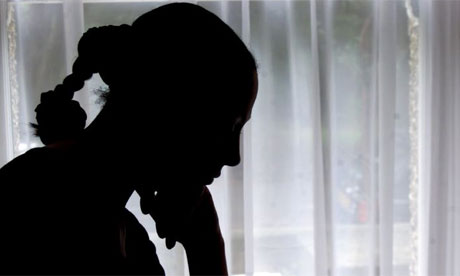
Domestic violence and dating violence are wide-spread issues that affect people of all backgrounds. An abusive relationship can be emotionally, verbally, sexually, or physically abusive. Often the abuse starts off small and then escalates. Abuse in a relationship is not just about someone losing their temper. It is about power and control. It is based on their belief that they have the right to control and abuse you. Unfortunately many of us miss the warning signs that demonstrate a pattern of unhealthy behaviors. We often hope the behaviors will go away or hope that they are not a big deal. It is very important to learn to detect the warning signs so you can get to a safe place, physically and emotionally. Abusive people will try to date many people. The key is to trust yourself enough to know when someone is crossing the line. It is true that all relationships will have disagreements but abuse, violation, and violence are never acceptable.
Here are some important warning signs that you may be with an abusive partner:
Do you:
• Feel afraid of your partner much of the time?
• Avoid certain topics out of fear of angering your partner?
• Feel that you can’t do anything right for your partner?
• Believe that you deserve to be hurt or mistreated?
• Wonder if you’re the one who is crazy?
• Feel emotionally numb or helpless?
Do the following descriptions describe your partner?
• Extreme jealousy
• Constant insults or ridicule
• Telling you what you can and can’t do
• Financial Control
• Possessiveness or controlling behavior
• Making false accusations
• Keeping you from seeing or talking with family and friends
Does your partner:
• Humiliate or yell at you?
• Treat you so badly that you’re embarrassed for your friends or family to see?
• Ignore or put down your opinions or accomplishments?
• Blame you for his own abusive behavior?
• See you as property or a sex object, rather than as a person?
• Hurt you, or threaten to hurt or kill you?
• Threaten to take your children away or harm them?
• Destroy your belongings?
• Threaten to commit suicide if you leave?
• Force you to have sex?
• Destroy your belongings?
If you answered “yes” to one, a few, or all of the questions, here are some steps for you to consider.
1. Break the isolation and shame by finding a safe person. You may want to confide in a friend, family member, therapist, police officer, or co-worker. Make sure it is someone you feel you can trust.
2. Remind yourself that the abuse is not your fault. There is no action that justifies abusive behavior.
3. Think about the possibility of getting out of the relationship. Consider the safety issues and the practical issues of where you would go and how you would go.
4. Look on-line or contact the local police station to find out available resources in your area. Resources may include counseling, housing, childcare, transportation, and legal advocacy.
5. Remember healthy relationships are based on love, respect, and trust. If those things are absent, you are not in a healthy relationship.
6. Be patient with yourself. It can be a very difficult and frightening experience to think about leaving an abusive person.
7. Consider counseling for yourself and see if your partner is willing to go to counseling. It is recommended that you both go individually instead of having sessions together.
8. Get more assistance by calling the National Domestic Violence Hotline: 1-800-799-SAFE (7233).
Sunday, September 19, 2010
Setting Boundaries

An important skill to develop is learning to set boundaries personally and professionally. This goes against the people pleasing mentality which requires that we attempt to be all things to all people while neglecting ourselves. If you notice yourself feeling frustrated, taken advantage of, overworked, overextended, resentful, and/or constantly tired, you may need to start setting more boundaries.
Here are few mental health tips for setting boundaries.
1. When a request is made of you take time to think about it instead of always giving an instant “yes”. You need to consider your other responsibilities, if this is in line with your purpose and life goals, if you have the skill and energy to successfully complete the task, and what place does it have in the grand scheme of things.
2. When you decide to say “no” do so without regret or guilt. When we exude guilt it leaves the door open for the person to continue to ask. You can communicate compassionately but clearly that you are unable to fulfill the request.
3. Setting physical boundaries is also important. If you feel someone is violating your physical space, speak up and attempt to physically move. Your body is a temple and worthy of respect and protection. If you are uncomfortable, trust that feeling and do what you can to interrupt the behavior or touch that is making you uncomfortable. The person may or may not mean any harm but if they are a touchy feely person and that makes you anxious or uncomfortable, the only way they will know it is if you let them know it.
4. Setting personal boundaries is also important. If someone asks you questions about a personal matter that you don’t feel comfortable answering, resist the automatic response that leads to answering now and regretting it later. You can say directly that you do not wish to have that conversation with them, you can change the subject, or you can simply walk away or end the phone call. When someone is attempting to bully or intimidate you, the behavior will often escalate until we shift it. Do what you can to end the intrusive pattern early.
5. Break the silence. Often when we remain silent the intrusions on our emotional and physical space multiple. Learn to speak up and express how you feel. Communication is an integral component to setting boundaries. Communicate directly and honestly to ensure the person knows the specific behavior that makes you uncomfortable and which you would like to stop.
6. When someone crosses your boundaries or otherwise takes advantage of you, do not pretend to yourself or to them that it didn’t happen. This masking or denial only serves to erase the impact of the earlier communication. People unfortunately do not always take words seriously. If it is important to you, be prepared to follow up with action. This is not threatening or manipulation but taking steps to protect and respect yourself and your feelings.
7. Celebrate yourself when you set boundaries instead of getting caught up in a guilt trip. It is a sign of strength and emotional maturity when you are able to set healthy boundaries. When you affirm yourself for doing this, it will become easier and easier.
Remember:
You are not responsible for everyone’s happiness.
You do not have to constantly be on the go to be valuable or good enough.
You can take important steps to preserve your well-being.
Sunday, September 5, 2010
Restoring Relationships After Infidelity

One of the most devastating experiences in a relationship is infidelity. Whether it was emotional or physical, one time or many, the issue of broken trust and violated commitments can create deep wounds. It is important for both partners to take action toward honesty, restoration, and healing. The healing process can take two very different pathways. One pathway is when you and your partner are trying to save the relationship and the other is when you are trying to heal after the break-up.
If you are trying to save the relationship or marriage after your partner has been unfaithful, here are a few key pointers from a mental health perspective: (A future blog will address healing from infidelity when the relationship is over.)
1. The unfaithful partner must be willing to cut off the affair and do the work required to regain your trust. You can not heal from a wound that continues to be deepened by on-going infidelity. To move forward, the affair needs to be in the past.
2. When someone has broken your trust, you will likely have a range of feelings, including but not limited to anger, sadness, frustration, fear, and numbness. It is important that you and your partner recognize that this is normal and healthy.
3. You both must recognize that restoration will take a lot of time and effort. There will be reminders or triggers that bring the pain back. There will be ups and downs and times where you feel things are going backward. You both will need to have patience with the process.
4. The unfaithful partner needs to take responsibility for the choices he or she has made. It is inadequate and immature to simply blame your partner or the person with whom you had the affair. While issues in the marriage may have contributed to relationship difficulties in the end the unfaithful partner made a choice – a choice that was a violation of trust and the emotional as well as physical safety of the partner. The partner who was unfaithful needs to do some serious soul searching about the choices they have made and then take action to increase accountability and trustworthiness.
5. While some partners don’t want to know any details, if you do want to know any details you should ask your partner. Unanswered questions and pressure to quickly press fast forward can increase feelings of distrust and distress. While facing the realities of the infidelity, you should also both go and get tested for sexually transmitted diseases. A part of facing the truth is facing the truth about the fact that your physical health has been compromised.
6. Both partners will have to work to rebuild the relationship. You will both need to work on your individual concerns as well as any issues within the relationship. To assist in this process, you may find it helpful to speak with a professional counselor.
7. The person who has been cheated on should express what they need from their partner to assist in the restoration. While you want the partner who was unfaithful to take initiative, if you need something and don’t share it, you can set yourself up for further disappointment and set your partner up for frustration and feelings of hopelessness.
8. Forgiveness is an important component of the recovery process but it is not the first step. When people feel forced by their partner or an internal moral code to quickly forgive, it is often premature and not authentic. You need to allow space and time to work toward forgiveness so that it will be sincere. Forgiveness doesn’t mean that what happened doesn’t matter it means that while it hurt you are ready to turn the page and work toward the future.
9. Spend time together doing things besides talking about the infidelity. If you want to have something to work toward, you will need to see that the two of you can build something that is more positive than the wounds of the past.
10. Be honest about the positive and negative aspects of the relationship. We can often fall into two traps. Either we idealize the relationship and fight for something that was never good for us or we may see everything through the lens of the infidelity and forgot about the good things about our partner and our relationship. You should both be honest with yourselves and each other about what needs to be fixed and what should be celebrated.
Healing and restoration are possible but you have to both want it and be willing to work for it.
Saturday, August 28, 2010
Healing from Sexual Assault

Sexual assault is a pervasive issue that violates our humanity. Sexual contact is not consensual when there is use of coercion, force, threat of force, manipulation, or deception. When someone or a group of people have engaged in sexual activities against your will, there can be many long lasting effects. These effects may include but are not limited to depression, anxiety, substance dependence, eating disorders, difficulties with intimacy, distrust, post traumatic stress disorder, and suicidal thoughts, plans, or behaviors. It is important for sexual assault survivors to know that the violation hurts and affects us deeply but it does not have to have the final say in your life. There are many survivors among us who have found healing, recovery, and empowerment from various sources.
Here are a few approaches to healing that you may want to explore:
1. Counseling – Sexual assault can often leave you feeling isolated and misunderstood. It can be helpful to talk with someone who really has an understanding of what sexual assault is, how it affects you, and helpful strategies to assist your recovery.
2. Self-help education – As with other issues, knowledge is powerful. It is important to read about sexual assault and there is much information available on the web, in bookstores, and in your local library. When you aren’t aware of how sexual assault affects you and how to effectively cope with these effects, you can end up blaming yourself and condemning yourself. It’s important to recognize the dynamics of sexual assault so you can gain strength for the journey to wholeness.
3. Express yourself - Sexual assault can bring great feelings of shame and self blame. This can result in silence and secrecy. When we hold things it, the negative consequences can multiply. It is important to find helpful ways to express what you are feeling and thinking. This may be done a number of ways such as talking to friends and family members, engaging in artistic expression, journaling, and praying. Don’t hold it in. It was not your fault and you don’t have to hide your story.
4. Hotlines – Rape crisis centers and other advocacy agencies provide nationwide crisis hotlines. You can talk to an advocate on the phone and even have an advocate accompany you through the medical and legal processes if you choose to make use of those options. Flashbacks and panic attacks can be very distressing. Having someone you can call anytime who will respond with compassion and understanding is very critical.
5. Self care – It is so important for you not to neglect yourself. Even when it is difficult, try to rest, eat healthy foods, and avoid unhealthy coping strategies such as cutting and binging. We interrupt the ripple of assault when we refuse to treat ourselves as if we are worthless. You are valuable and deserve love and respect even when that is not what you have always received.
6. See your strengths – Instead of focusing your energy on self blame and critique, celebrate the ways you have survived. While it has not always been easy to recognize we should honor the fact that we have tried to survive and recover.
It is important to pursue healing by any means necessary. There are many pathways available to you, including but not limited to spirituality, group therapy, activism/social justice work, and medication to help manage your symptoms as you work through the recovery process. You deserve the opportunity to find the pathway that works for you. Sexual assault is a “comma” in your life and is not the “period”. You can shape the next chapter of your life and you don’t have to do it alone. Dedicate yourself to moving from victim to victor.
Subscribe to:
Posts (Atom)